.png)
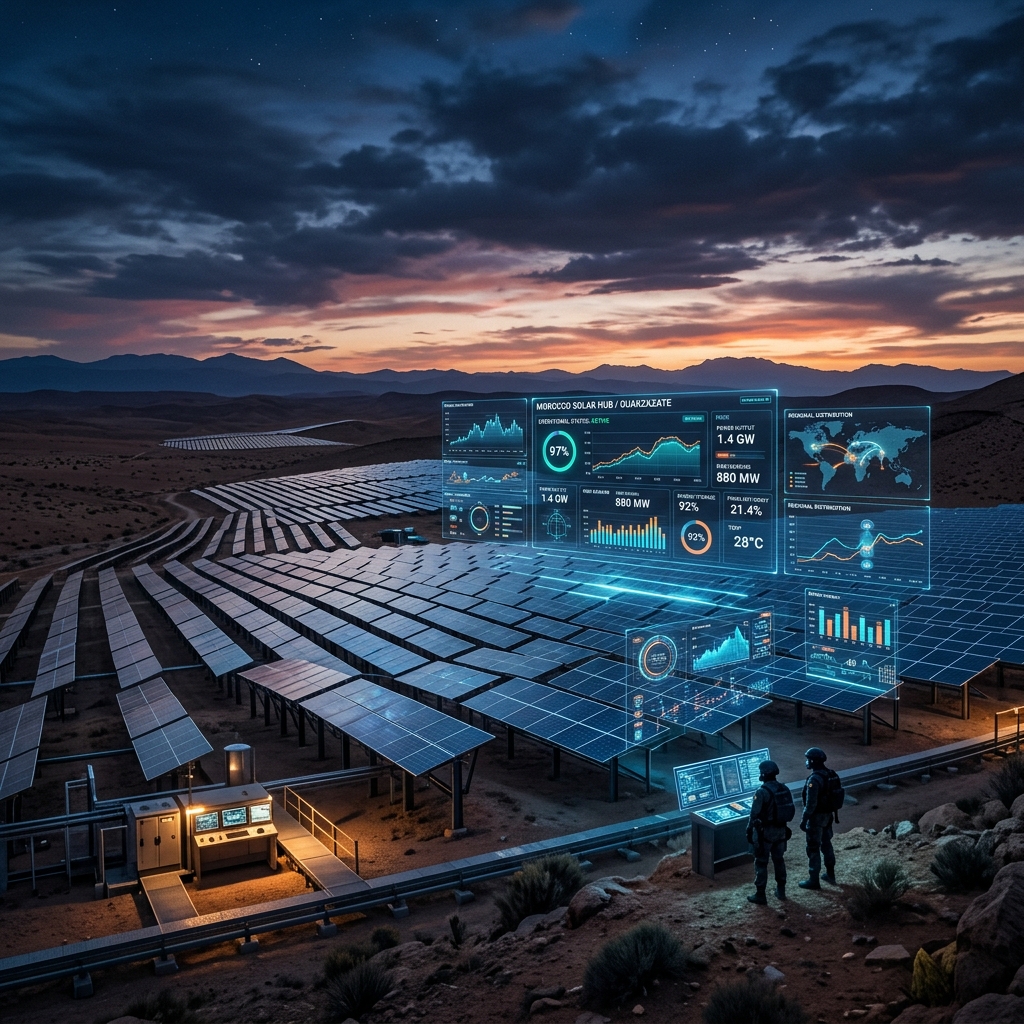
The Kingdom is accelerating its industrial decarbonization requirements. As global markets shift toward greener supply chains, Moroccan SMEs must learn how to document their energy efficiency & sustainability efforts and attract green subsidies.
SMEs are the undisputed backbone of the Moroccan economy, accounting for over 90% of businesses. Their successful transition to sustainable energy practices is not just a corporate responsibility issue; it is absolutely vital for meeting the nation's ambitious climate goals.
The Global Context and CBAM
The push for sustainability is no longer merely a local initiative. With the European Union’s Carbon Border Adjustment Mechanism (CBAM) coming into full effect, Moroccan businesses exporting to Europe will be taxed based on the carbon footprint of their products. Decarbonizing production is now an existential imperative for export-driven SMEs.
New Compliance Standards
Starting in 2026, medium-sized enterprises will face much stricter reporting requirements on their energy consumption, building upon the foundations of Law 47-09 on energy efficiency & Sustainability. The overarching goal is a 20% reduction in industrial energy waste by 2030, enforced through mandatory annual reporting.
Available Subsidies and Support Programs
Transitioning requires capital, and several programs have been designed to assist. The Tatweer Green Growth program provides essential funding—up to 30% of the investment—for SMEs purchasing solar panels, upgrading to LED lighting, or installing highly efficient manufacturing machinery.
Taking the First Step: The Energy Audit
Conducting a comprehensive, certified energy audit is the necessary first step. An audit does more than just map out where energy is being wasted; it provides a prioritized roadmap for investments and is a strict prerequisite when applying for green financing options through local banks or state programs.